

Crane Industry: Gearboxes and Drive Technology for Reliable Lifting and Transport Systems
The crane industry encompasses the development, manufacturing, and operation of crane systems for industry, logistics, construction, and port facilities. Cranes perform key tasks in lifting, moving, and positioning heavy loads. They must operate precisely, safely, and reliably – often in continuous operation and under high mechanical loads.
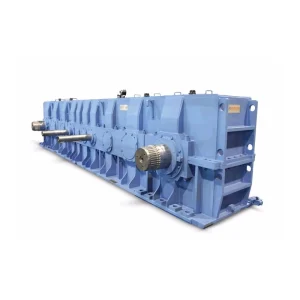
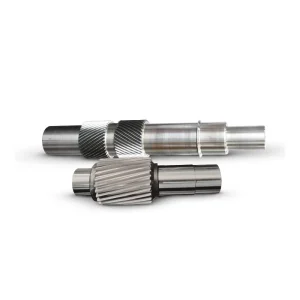
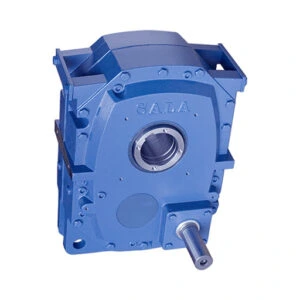
Gears and industrial drive systems play a crucial role in this. They power hoists, travel drives, and slewing mechanisms, ensuring that loads can be moved in a controlled manner. Due to high loads, dynamic stresses, and safety-critical applications, gearboxes in the crane industry must be particularly robust, durable, and precise.
Typical Processes in Crane Technology
Cranes perform various movement and transport tasks. These processes require high-performance drive systems and precisely matched gearbox solutions.
Lifting Loads (Hoist)
The hoist is the central element of a crane. It raises and lowers loads using ropes, drums, or chains. Gearboxes ensure that high torques are transmitted safely and loads can be moved precisely.
Crane Operation (Travel System)
The travel system moves the crane along a track or across a system. Powerful drives are used here to ensure smooth movement, even with heavy loads.
Rotating and Positioning Loads
Many crane systems also require a rotational movement to precisely position loads. Slewing drives enable controlled and precise movement.
Material Transport in Industrial Plants
Cranes are used in production and logistics processes to transport materials or components within plants.
Applications of Gearboxes in the Crane Industry
Gears are central components in crane systems and perform important tasks in various axes of motion. Typical applications include:
- Hoist drives for raising and lowering loads
- Travel drives for bridge or gantry cranes
- Slewing drives for positioning loads
- Trolley drives for moving the trolley
- Drives for material transport in production plants
These applications require powerful industrial gearboxes that transmit high torques while simultaneously enabling precise movements.
Requirements for Gearboxes in the Crane Industry
Crane systems often operate under demanding conditions and must meet the highest safety requirements. Therefore, important gearbox characteristics include:
- high torque for heavy loads
- precise control of movements
- reliable operation in continuous operation
- robust design for industrial operating conditions
- long service life and short maintenance intervals
Reliable gearboxes and geared motors contribute significantly to the safety and efficiency of crane systems.
The Future of Crane Drives: Digitalization and System Optimization
The crane industry is constantly evolving. Modern technologies enable better monitoring and optimization of systems.
Examples include:
- intelligent control systems for more efficient motion sequences
- optimization of system availability
- extension of drive service life
Retrofitting existing crane systems can also open up new possibilities, for example, through modernized drives or optimized maintenance concepts.
Drive Solutions for Applications in the Crane Industry
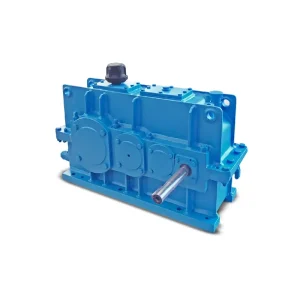
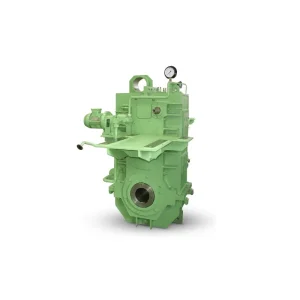
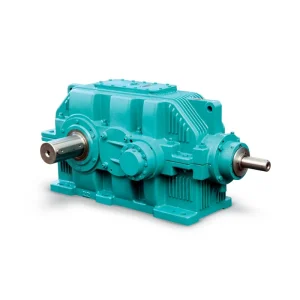
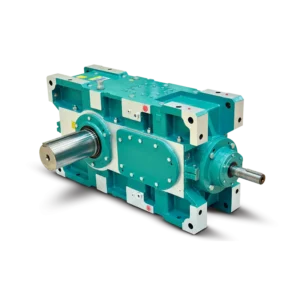
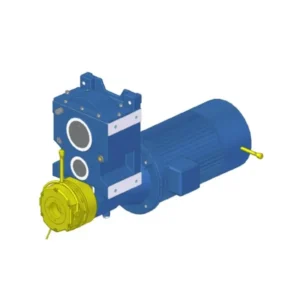
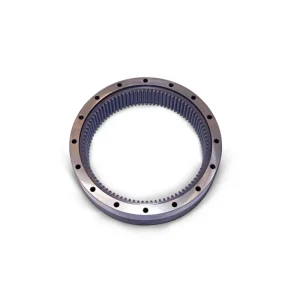
For crane operators, reliable drive technology is crucial for safe and efficient operating processes. Modern gearboxes, geared motors, and customized drive solutions support the operation of hoists, travel drives, and slewing mechanisms in various crane applications.
On this page, you will find suitable gearbox solutions for applications in the crane industry, specifically designed for demanding industrial operating conditions.
FAQ: Gearboxes in the Crane industry
Cranes move heavy loads and must operate precisely and safely. Gearboxes transmit the necessary torques and enable controlled movement of the loads.
Gearboxes are used, among other things, in hoists, travel drives, slewing mechanisms, and trolley drives.
Gearboxes must transmit high torques, enable precise movements, and operate reliably in continuous operation. At the same time, high safety standards and a long service life are crucial.